


General information on peptides
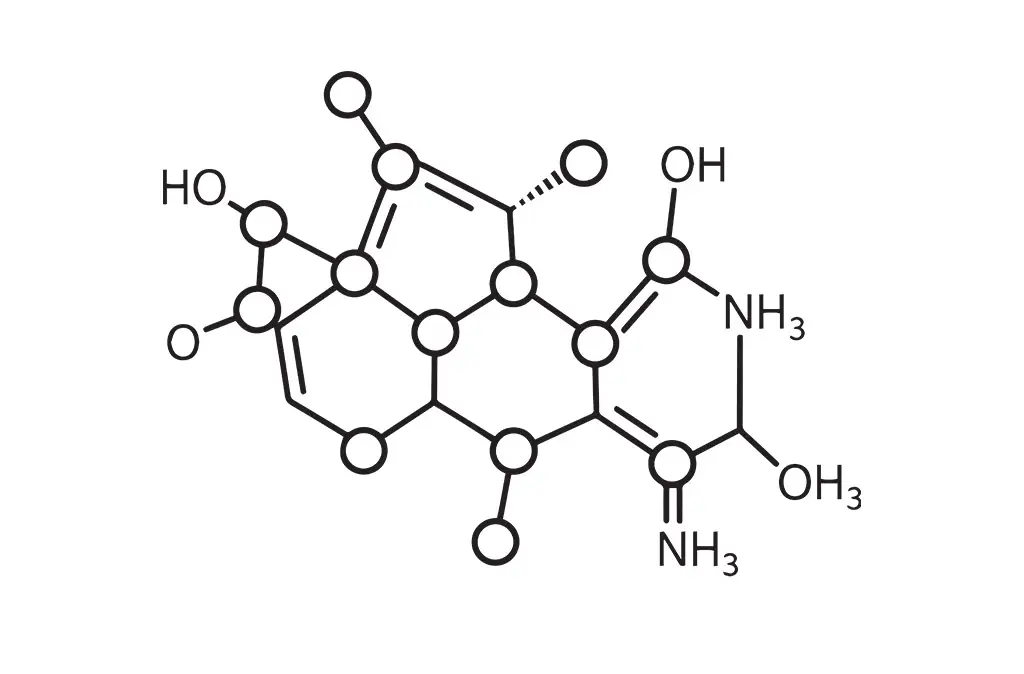
Peptides are short chains of amino acids that are linked together via peptide bonds and are used in research as clearly defined molecules.
Peptides are generally shorter and structurally simpler than proteins, which are often complexly folded and have several functional domains.
Peptides occur both naturally in biological systems and in synthetic form, which is produced specifically for research purposes.
Synthetic production allows precise control over sequence, purity and reproducibility, which is crucial for scientific research.
No, peptides differ in length, amino acid sequence, structure and possible modifications, which significantly influences their properties.
Yes, peptides can consist of a few amino acids or be significantly longer, whereby the boundary to proteins is drawn differently depending on the specialist area.
Peptides make it possible to investigate biological processes in a targeted and controlled manner without having to map the complexity of complete proteins or systems.
Research context & purpose

The note means that peptides are intended exclusively for scientific and laboratory-based research and not for use in humans.
Peptides are used in basic research, in preclinical models and in analytical studies to analyze biological mechanisms.
No, peptides offered as research reagents are not intended for use on or in the human body.
Peptides are not automatically medicinal products; their legal classification depends on their intended purpose, presentation and use.
No, research peptides are neither intended nor approved as food or food supplements.
The intended purpose determines how a product is legally classified and which requirements apply to its manufacture, distribution and use.
A research reagent is a substance or material that is used exclusively for carrying out scientific experiments and analyses.
Peptides can be acquired by persons or institutions that use them in the research context in accordance with the stated purpose.
Safety, storage & handling

Peptides should be stored according to the instructions in the safety data sheet and under controlled laboratory conditions.
Moisture can lead to chemical degradation or changes in the peptide structure.
Temperature influences degradation processes; suitable storage slows down quality losses.
Proper handling includes controlled conditions, suitable protective measures and documented procedures.
Childproof storage ensures general safety and is part of responsible handling.
.
Yes, depending on the structure and storage conditions, peptides can be chemically unstable.
Improper storage can alter analytical profiles and make interpretation difficult.
No, purity values should always be considered in conjunction with other analysis data.
Legal classification & responsibility

The legal classification depends on the intended purpose, presentation and use, not solely on the chemical structure.
Research reagents are intended for scientific investigations, whereas medicinal products are intended for use in humans.
Texts, terms and context significantly influence the legal assessment of a product.
References are important, but must be complemented by a consistent presentation throughout the content.
Both providers and users bear responsibility within the scope of their respective roles.
.
Unclear content can lead to incorrect classification and legal consequences.
Clear framework conditions create security and promote responsible behavior.
No, purity values should always be considered in conjunction with other analysis data.
Application, effect & misunderstandings

The acquisition is possible, provided that the use is exclusively in the specified research context.
Responsible handling includes proper storage, use in accordance with the intended purpose and observance of all safety information.
Responsible handling includes proper storage, use in accordance with the intended purpose and observance of all safety information.
Application notes would go beyond the research context and are therefore not part of the provision.
Documentation and transparency create traceability and support reproducible research.
.
If there are any unanswered questions, the provider or an expert body in the scientific field should be contacted.